
The Future of the Norfolk Broads: Challenges and Priorities for 2028–2032

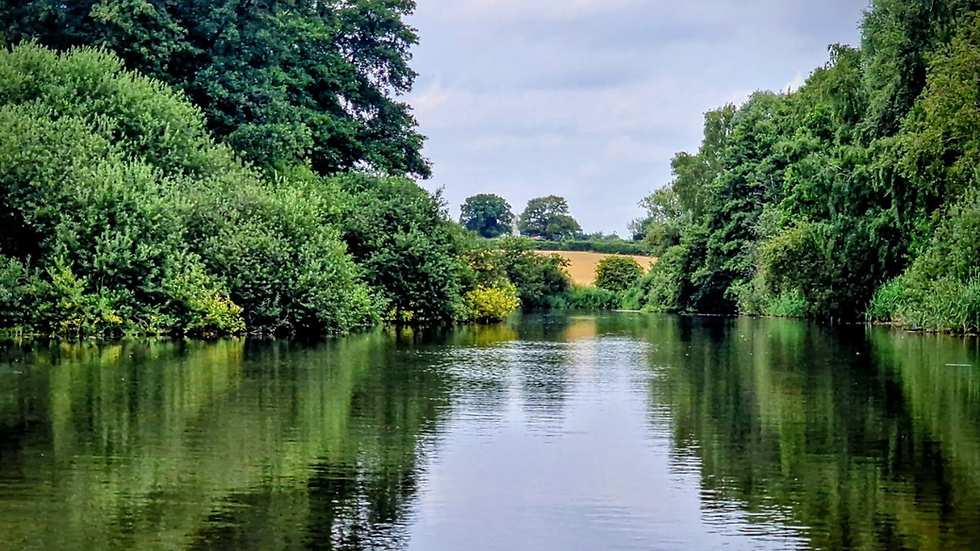
The Norfolk Broads is one of Britain's most distinctive landscapes. Shaped by centuries of human activity, it is home to internationally important wildlife, traditional sailing and a thriving visitor economy that contributes an estimated £775 million annually to the regional economy.
Yet the waterways face significant challenges. Over the next few years, the Broads
Authority is required by law to prepare a new long-term management plan for
2028–2032. Much is changing, and the decisions made during that process will
shape how the Broads is managed for generations to come.
Mark Collins, Chair of the Broads Society, has met with a group of members to
outline what the Society believes should be among the key priorities.
The Money Problem
The single biggest challenge is financial.
Unlike most authorities responsible for protected landscapes, the Broads Authority is prohibited from using Government grants to maintain its waterways. Instead, the costs of keeping channels dredged, banks maintained and navigation infrastructure in good repair must be met almost entirely by boat tolls and mooring fees paid by around 11,000 registered boat owners.
The problem is that boat numbers are falling. Rising charges, unpredictable weather, the cost of living and cheaper overseas holidays have all contributed to the decline.
Fewer boats mean lower income. Lower income leads to higher tolls. Higher tolls can discourage even more people from keeping boats on the Broads. It is a cycle that is becoming increasingly difficult to break.
A funding shortfall of around £400,000 was identified in late 2025. In partnership with the Broads Society, the Broads Authority has pressed the Government to recognise that open waterways are a public good, not simply a private one, and to provide a dedicated funding supplement. So far, however, reforms have not been forthcoming.

Climate Change is Reshaping the Broads
Climate change is no longer a distant concern. It is already changing the way the Broads is managed and increasing the costs involved.
Among the biggest challenges are rising sea levels and more frequent tidal surges, which are pushing saltwater further inland. Salt corrodes metal navigation infrastructure, weakens traditional wooden boats, damages freshwater reedbeds, plants, fish and invertebrates, and accelerates bank erosion and channel silting. Over time, a gradual shift towards a saltmarsh environment could fundamentally alter the character of the Broads.
Dredging, already the highest single navigation cost, is also becoming harder to
plan. Following a recent tidal surge in the Thurne and Hickling system, elevated
saltwater levels halted dredging operations for five months. As salinity and weather
patterns become less predictable, maintaining navigable waterways is becoming
increasingly challenging and expensive.
Bridge clearances become more critical as water levels fluctuate. Already, many
boat-owners cannot navigate the Thurne above Potter Heigham or the Bure above
Wroxham, and visiting the Ant above Ludham Bridge has been problematic too.
Repeated closures of Great Yarmouth's Haven Bridge have disrupted access to and
from the sea, while there are ongoing concerns that future developments at East
Norwich could restrict navigation to the Port of Norwich.
Warmer, milder winters are also changing the landscape. Reeds and fen are giving
way more quickly to scrub and trees. Without the traditional clearance work once
carried out by trading wherries, woodland is steadily encroaching on the waterways.
Overhanging trees reduce the wind available to sailors, narrow the channels and
block important sightlines. Several classic sailing stretches on the Bure and Yare are
already being affected.
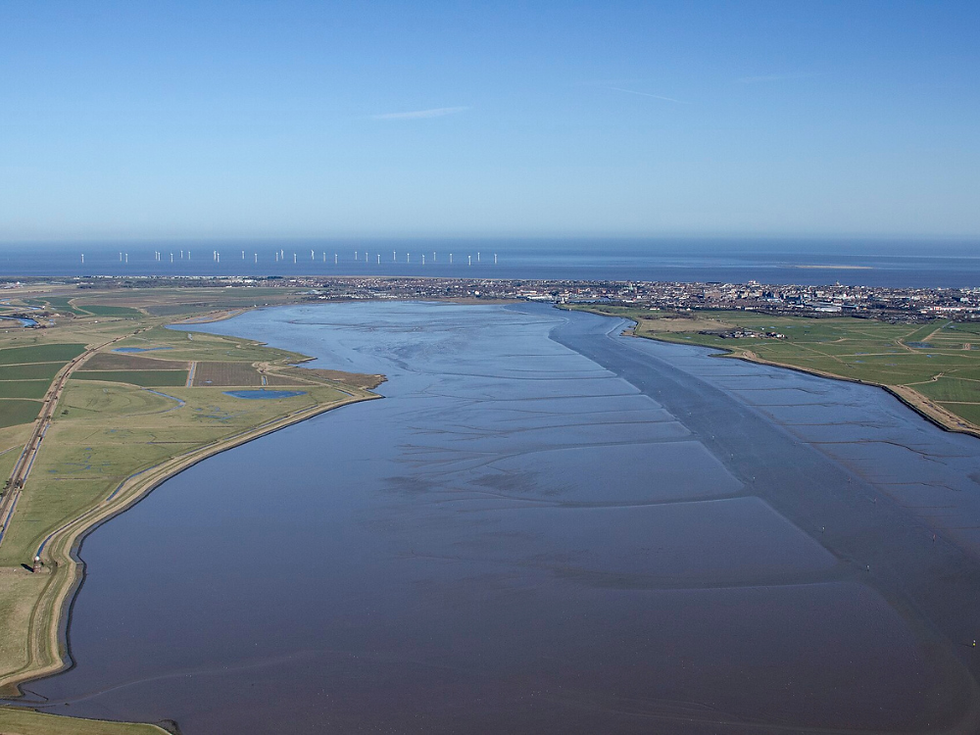
Nature vs Navigation – A Difficult Balance
Managing the Broads for both wildlife and people to enjoy can sometimes pull in different directions.
Hickling Broad is a good example. Sailors and recreational users need areas of open
water, which means managing submerged vegetation. At the same time, the plant
communities that have returned following improvements in water quality are
ecologically rare and highly valued. Regulations leave little room for common sense
and set boaters against the conservation community.
Boat owners also point out that, through the tolls and mooring fees they pay, they already fund much of the management that keeps the waterways open, thus benefitting the wider landscape, including its wildlife.
The Broads Society believes that better evidence, ongoing monitoring and informed decision-making are essential if this balance between conservation and navigation is to be managed fairly for everyone.
What the New Broads Plan Needs to Deliver
The priorities for 2028–2032 can be grouped under six broad aims.
1. Fix the funding model
Secure a long-term Government funding settlement that recognises navigation as a public benefit, rather than simply a cost that must be borne by a shrinking number of boat owners.
2. Adapt to climate change
Turn the findings of the Broadland Futures Initiative into practical action that supports both the Broads and its economy. Adapt moorings, bridges and dredging
programmes to rising sea levels, more frequent tidal surges and the increasing
salinity risk. Take the steps needed to ensure the survival of the Broads as Britain’s
most important freshwater wetland.
3. Actively manage the wetland landscape
Tackle tree and scrub encroachment as both a navigation and ecological issue. Protect the open reedbed landscape that defines the Broads. Control invasive aquatic plants.
4. Address water pollution
Work with partners to reduce pollution entering the Broads from agricultural nutrients, sewage, veterinary medicines, human pharmaceuticals and other harmful chemicals.
5. Invest in the visitor economy
Actively encourage integrated, diversified, sustainable and regenerative tourism.
Support sailing and electric hire boats; improve safety and enhance accessibility of
the waterways for all. Recognise the value of the Broads; cultural heritage and the
specialist artisans needed to preserve it, such as boatbuilders, millwrights and reed
cutters. Protect the valuable freshwater angling economy. Continue to strengthen the
economic case for investing in this unique landscape.
6. Work in partnership
These challenges will never be solved by single agencies working alone. More
effective cooperation between the Broads Authority, the Environment Agency,
Natural England, local authorities, Network Rail, the hire boat industry and voluntary
organisations such as the Broads Society will be essential if the Broads is to thrive in
the years ahead.

The Broads has endured for centuries because each generation has invested in keeping its waterways open.
The next Broads Plan needs to ensure that investment continues and grows, protecting the remarkable character of this unique landscape for the people and wildlife that depend upon it.
Mark Collins
Chair, Broads Society
June 2026
Help Shape the Future of the Broads
The Broads has been inspiring, supporting livelihoods and providing opportunities for recreation and wildlife for generations. Protecting its future will require continued investment, partnership and the support of people who care about this extraordinary landscape.
The Broads Society has been championing and protecting the Broads since 1956. By becoming a member, you'll be helping us continue to be a strong, independent voice for the Broads while supporting our work to protect, celebrate and promote this unique national treasure.
If you share our passion for the Broads, we'd love you to join us.
Image credits
Featured image: Visit the Broads
Image 2 – Ranworth, Malthouse Broad – Moored boats: Michael Garlick / Geograph (CC BY-SA 2.0)
Image 3 – Breydon Water at high tide: John Fielding (CC BY 2.0)
Image 4 – Traditional Broads boats: Paul Buckingham / Geograph (CC BY-SA 2.0)


https://neosurfpokies.com is an odd place for my brain to land after reading about toll-funded dredging, but the part that really stuck with me is how boat owners are essentially carrying the whole cost of keeping the navigation open for everyone else. I grew up messing about on the Broads and never once thought about who paid to keep the channels clear, so the public good versus private cost argument makes a lot of sense. The saltwater creeping into the Thurne and Hickling system worries me most, since once that freshwater character is gone I'm not sure dredging budgets can bring it back.