
Inclusive Access to the Norfolk Broads: A Q&A with the Chair of the Broads Society

Mark Collins shares his perspective on access, inclusion and the future of the Broads

Access to the Broads isn’t just about getting from A to B. It’s about who feels welcome, who can take part, and who gets to experience one of the UK’s most special landscapes.
This is a conversation that affects all of us — whether we live here, work here, or simply love visiting.
Following a recent Society Supper discussion on access, our Chair, Mark Collins, shares his perspective on why access matters, what’s working, what isn’t… and what needs to change.
What do we mean by “access to the Broads”?
Access isn’t just physical. Yes, it’s about moorings, paths, transport and facilities — but it’s also about information, confidence, and feeling welcome.
People experience the Broads in all sorts of ways: on foot, by boat, by bike, by train — even digitally. If someone doesn’t know where to go, how to get there, or whether they’ll be included, then access is already limited.
Why is improving access so important right now?
Because access affects everything.
It supports local jobs and businesses, strengthens communities, improves wellbeing, and ensures the Broads are enjoyed by a wider and more diverse audience.
If fewer people engage with the Broads, it becomes harder to justify funding, investment, and long-term protection.

What are the biggest challenges when it comes to boating access?
There’s a real mix of positives and pressures.
The Broads Authority maintains a strong network of free moorings, but there are still issues — from high costs in certain areas to inadequate facilities such as demasting points.
At the same time, the number of boats is declining, while maintenance costs continue to rise.
The challenge is clear: how do we make boating more appealing and accessible, while keeping the system sustainable?
What about access to nature itself?
Nature reserves across the Broads are hugely valued — and rightly so.
Places like Wheatfen offer free access, supporting both physical and mental wellbeing. But there’s an opportunity to go further.
Reaching younger people, families on lower incomes, and those who might not traditionally see the Broads as “for them” is key.
Partnerships, sponsorship, and even technology — such as online soundscapes — can all help widen access and engagement.
Are we doing enough to support people with disabilities?
There’s some fantastic work happening — particularly through organisations like the Nancy Oldfield Trust — but it’s resource-intensive.
Accessible boats, hoists, specialist equipment, trained staff… it all requires investment.
There are also practical barriers: limited accessible accommodation, too few public toilets, and parking that doesn’t meet real-world needs.
But when access is done well, the impact is huge. For many people, getting onto the water can be genuinely life-changing.

How does access affect tourism and the local economy?
Tourism is central to the Broads, with a significant proportion of local employment linked to it.
But businesses are under pressure from rising costs, and the visitor experience isn’t always as joined-up as it could be.
Better collaboration, clearer information, and more integrated visitor experiences could make a real difference.
There’s also clear potential — visitor spend in the Broads is significantly lower than in comparable destinations, highlighting an opportunity for growth.
What about walkers and cyclists? Are things improving?
There has been progress, including funding and improved planning, but gaps remain.
Some routes are difficult to access, poorly maintained, or don’t connect effectively. Even when public transport gets people close, that final stretch to the water’s edge can be challenging.
There’s also a need for more off-road cycling routes and better links between moorings and walking paths.
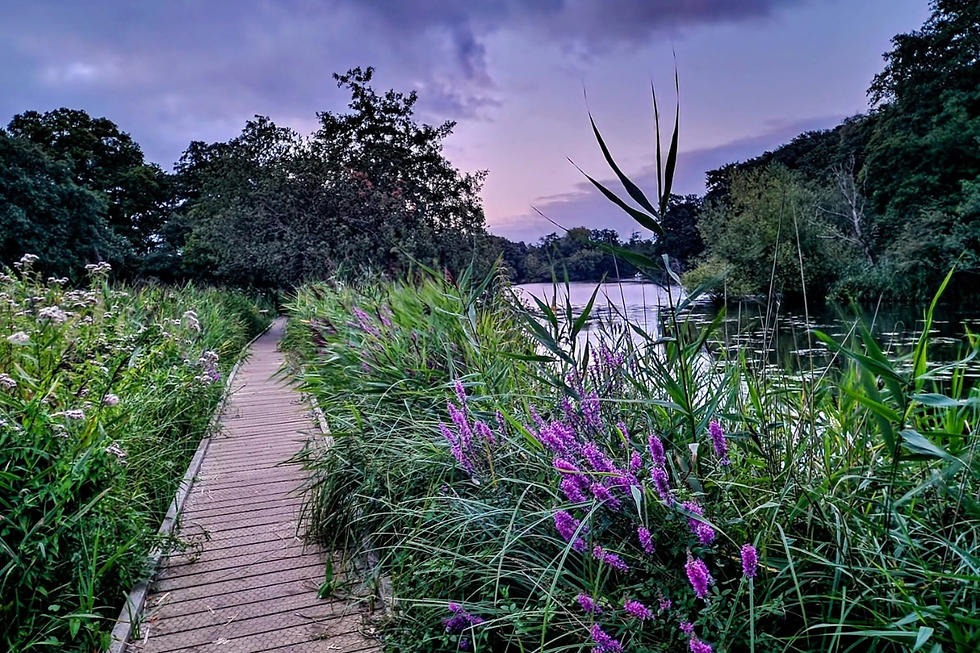
The Bigger Picture
Across all sectors — boating, nature, disability access, tourism, walking, and cycling — the Broads face shared challenges: ageing infrastructure, limited funding, and fragmented coordination.
But the opportunities are just as strong.
With better collaboration, investment, and inclusive planning, access to the Broads can be improved for everyone — bringing social, environmental, and economic benefits.
Why should this matter to all of us?
Because the Broads belong to everyone.
If access isn’t inclusive, then people are excluded — not just physically, but socially and culturally too.
Getting this right means more people enjoying, valuing, and protecting the Broads for generations to come.

Want to support the future of the Broads?
Access, conservation and community all rely on people who care.
Become a member of the Broads Society and be part of protecting and shaping this unique landscape for generations to come.
Image Credits
Images courtesy of Visit the Broads and Eileen Joan Flaxman


https://casino-online-ohne-limit.de came to mind when Mark mentioned online soundscapes, because digital access really can be a meaningful substitute for people who can't get to the Broads in person. The detail about Wheatfen being free but still needing better transport, toilets, and confidence-building is what stuck with me most. I've noticed that even free outdoor spaces remain out of reach when people don't know how to get there or worry they won't fit in, so the Q&A's emphasis on information and welcome feels as practical as any mooring upgrade.